New Exhibition: Unearthing the Great Synagogue of Vilna
- Home
- Current Affairs
- New Exhibition: Unearthing the Great Synagogue of Vilna
New Exhibition: Unearthing the Great Synagogue of Vilna
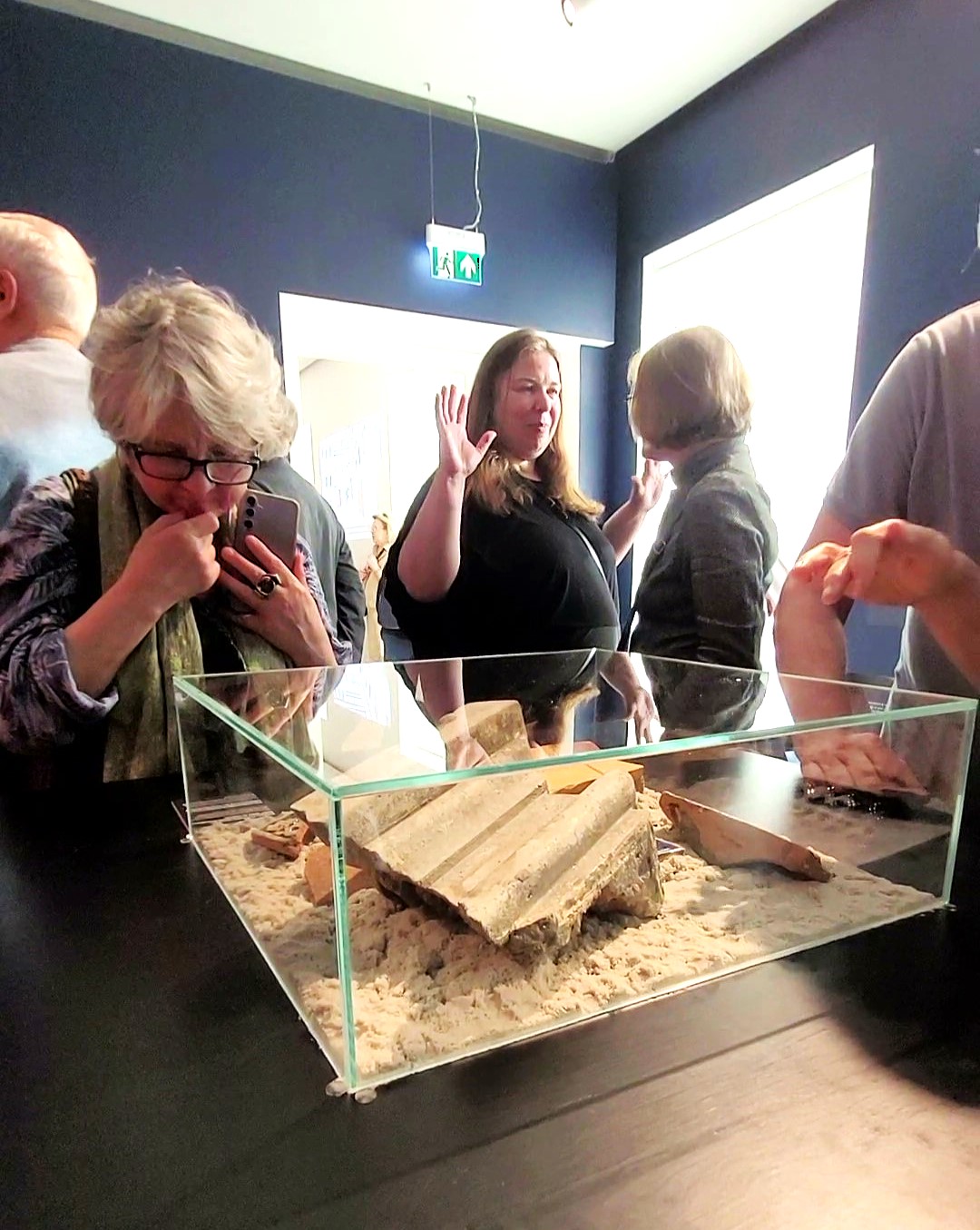
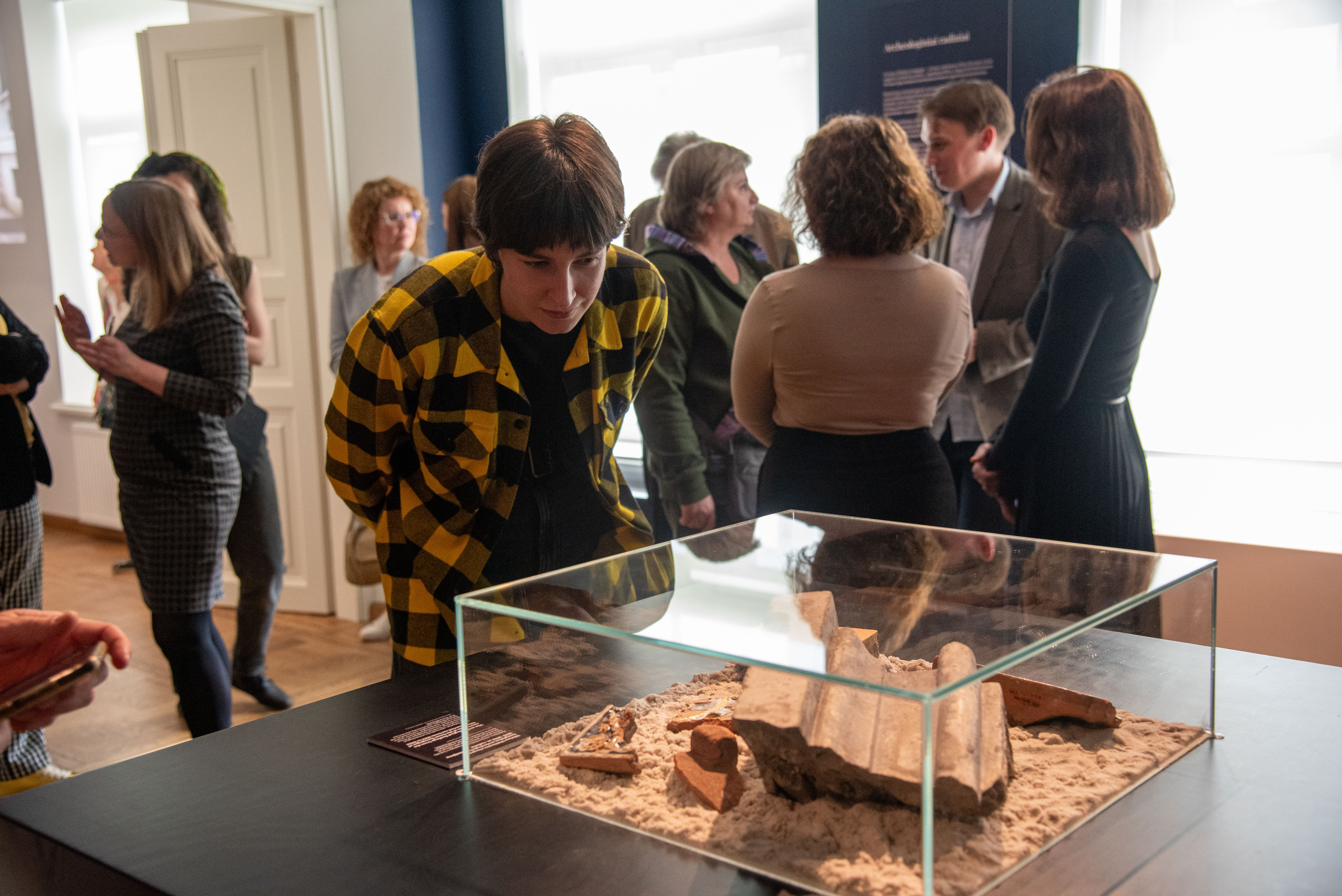
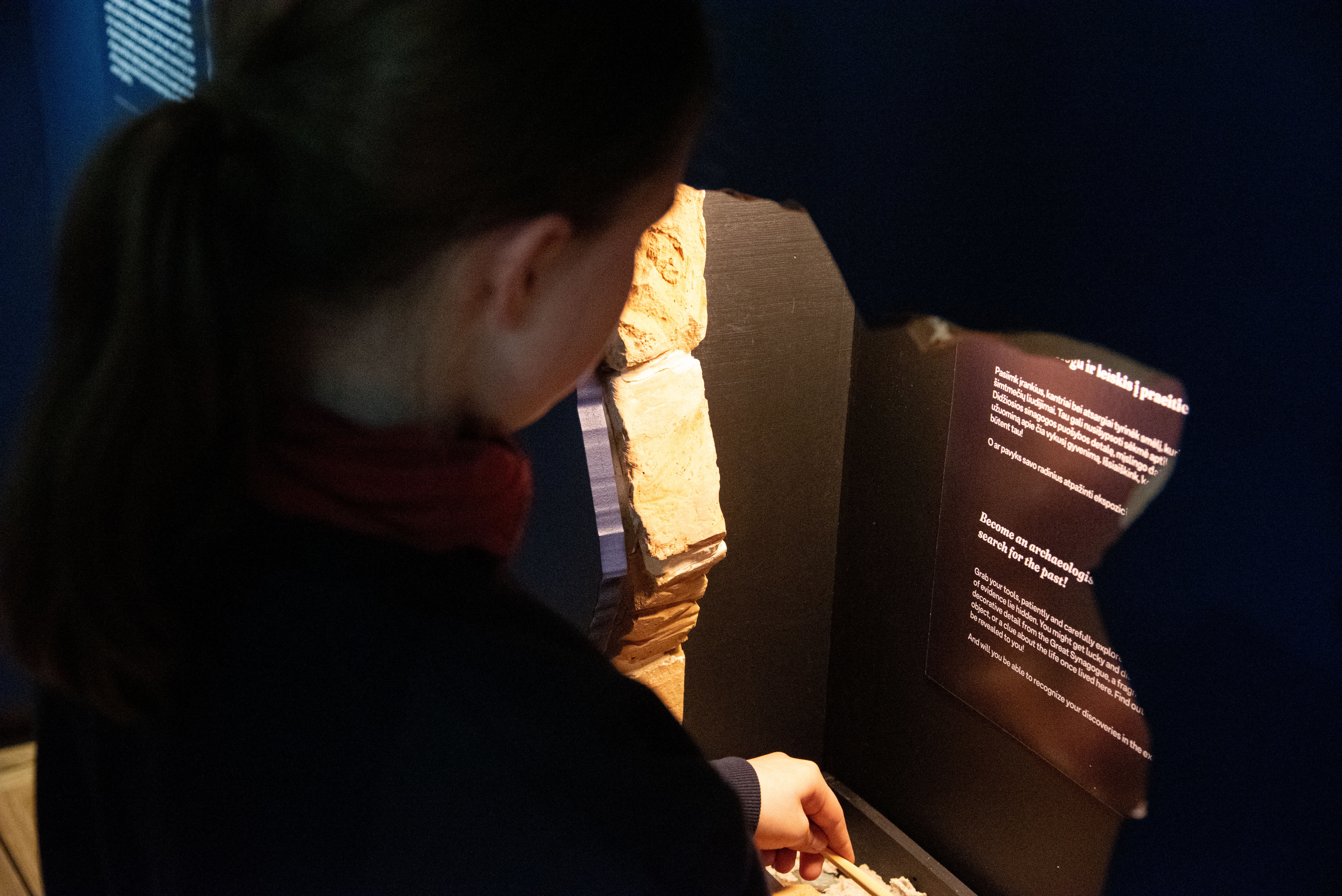
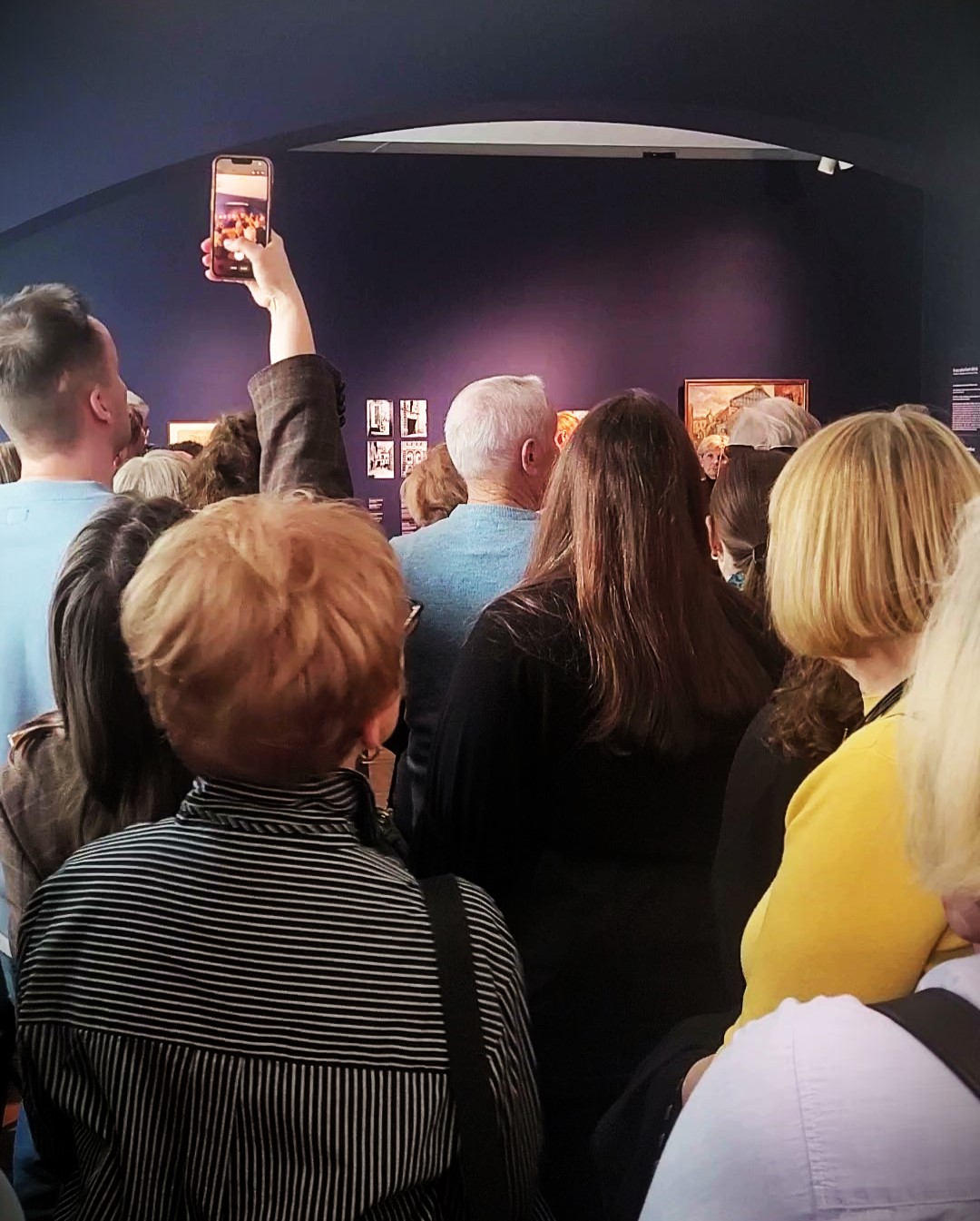
On May 19, 2026, the Museum of Jewish Culture and Identity in Lithuania opened its new exhibition, Unearthing the Great Synagogue of Vilnius, inviting visitors to encounter one of Vilnius’s most significant Jewish heritage sites through archaeological discoveries, artworks, and surviving fragments of the historic Great Synagogue of Vilna.
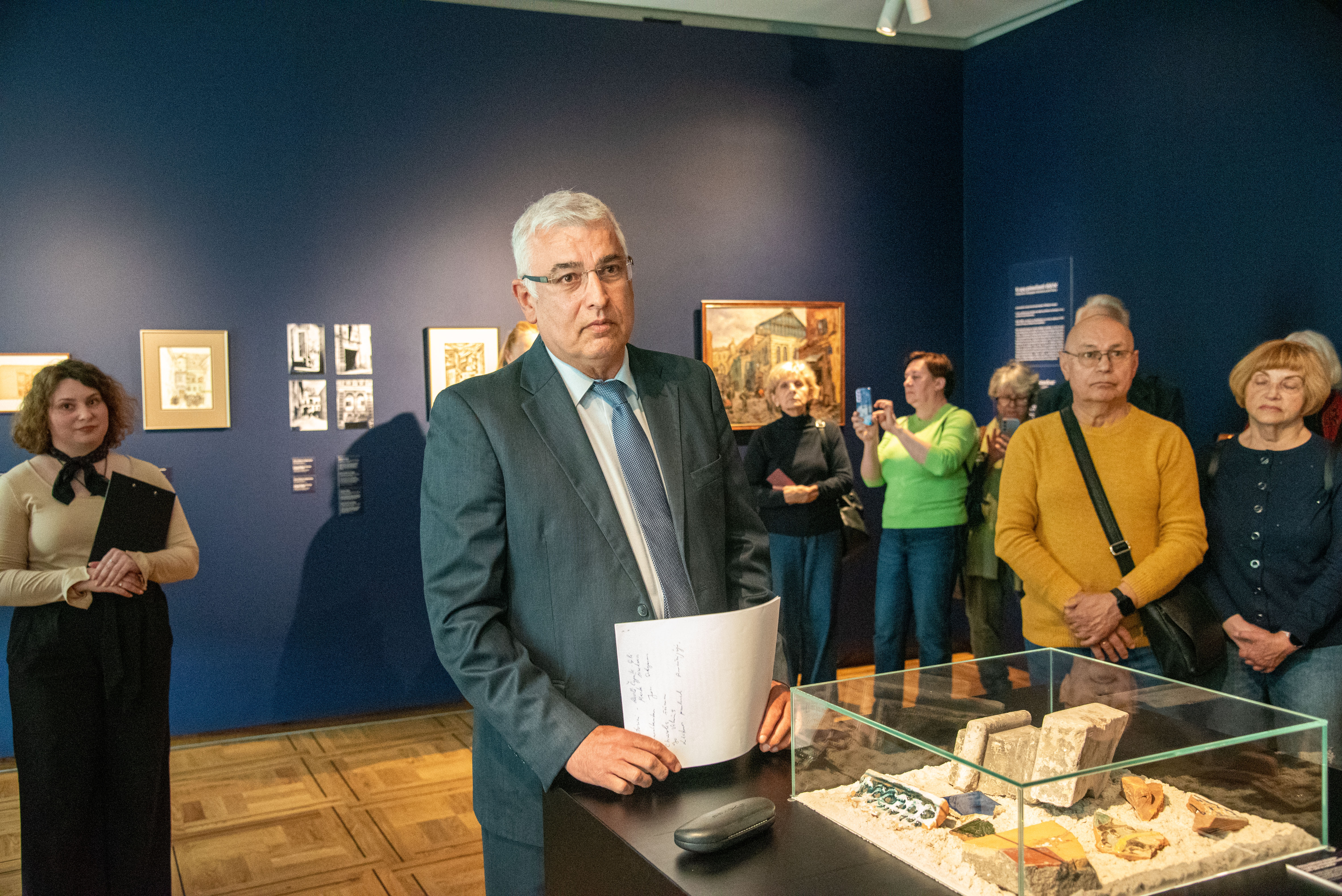
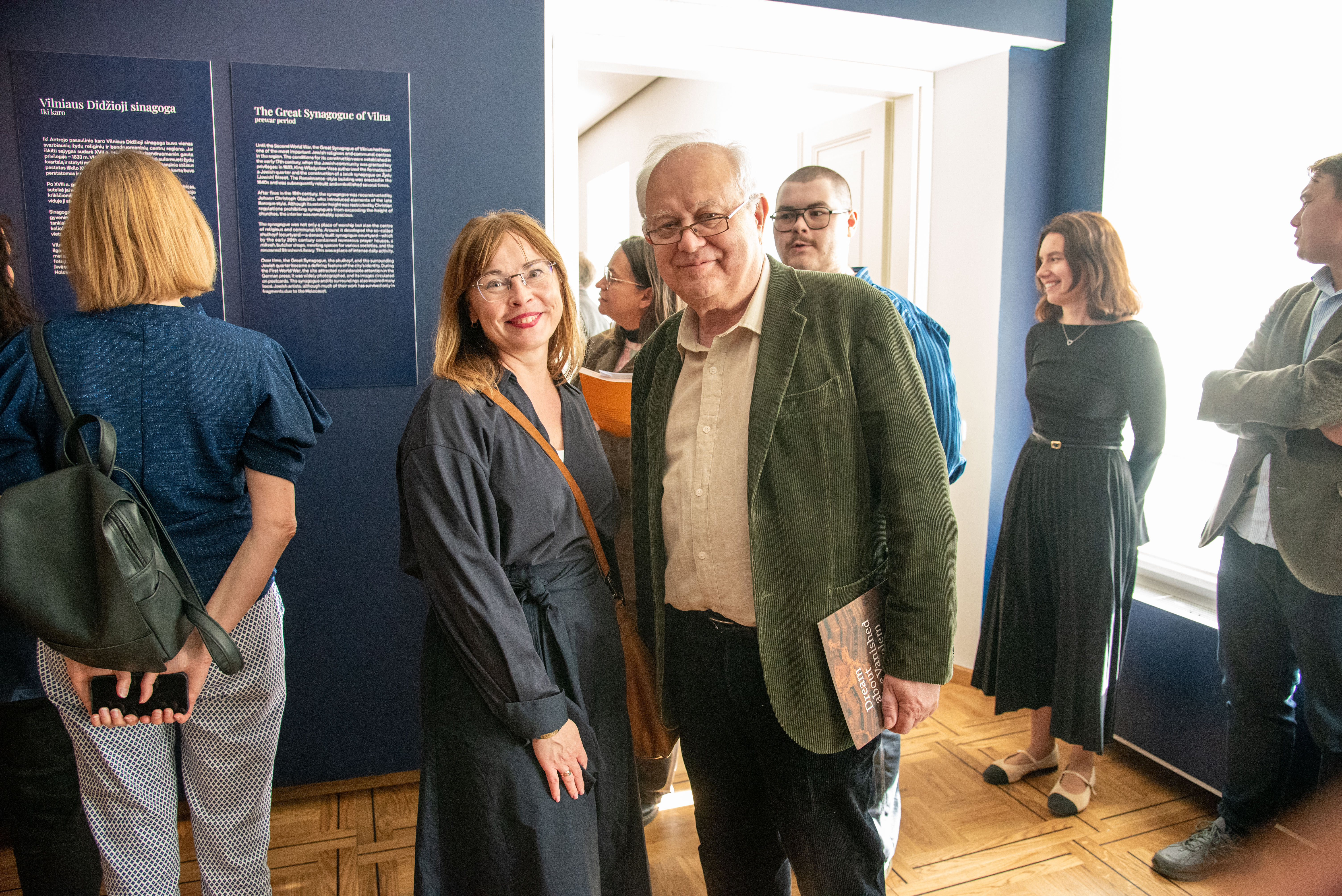
Guests at the opening were welcomed by Sergey Kanovich, Director of the Vilna Gaon Museum of Jewish History. According to him, the exhibition speaks not through imagined history, but through authentic traces and surviving fragments, bringing visitors closer to a world that was destroyed, yet never vanished from the memory of Vilnius.
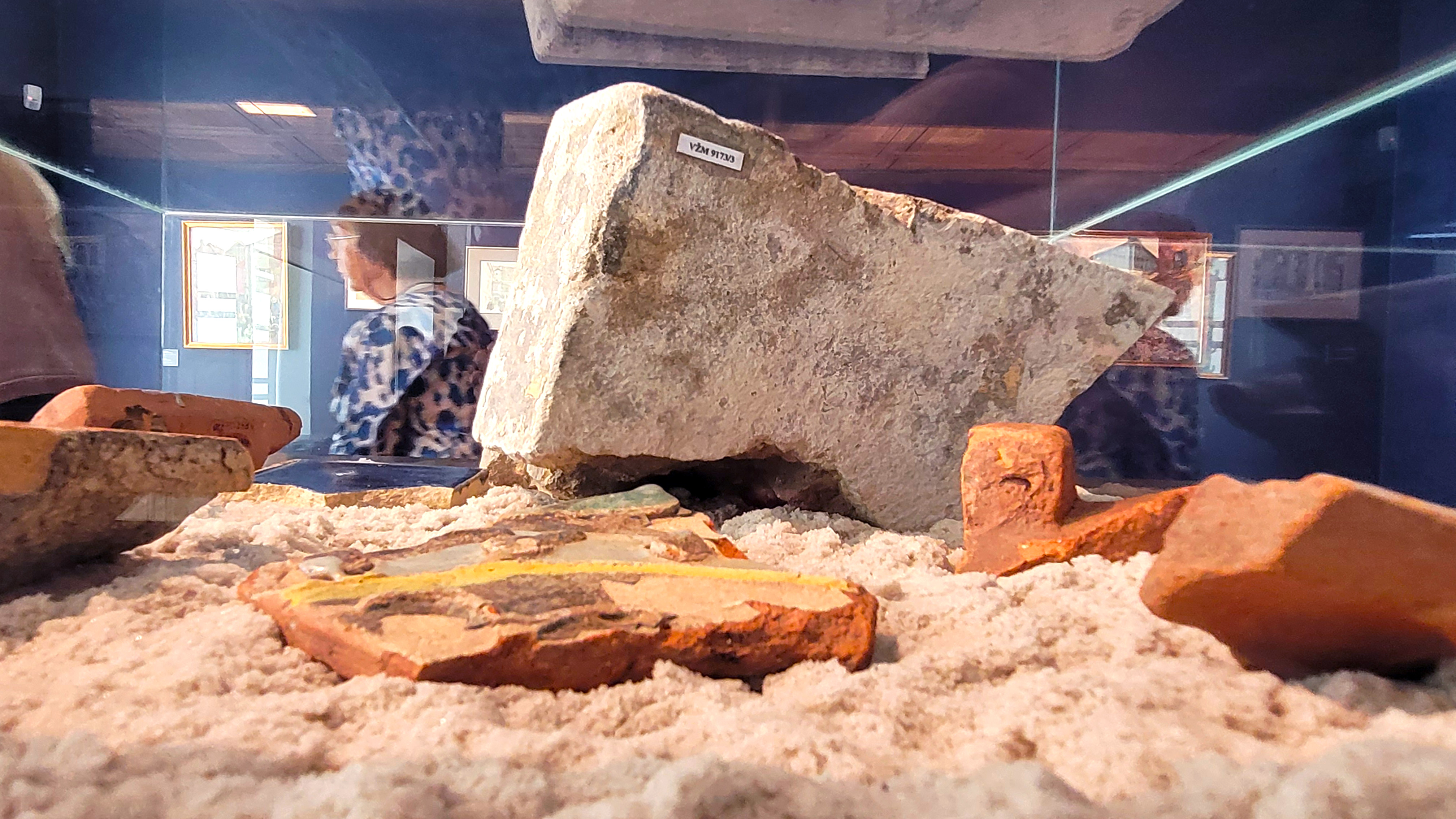
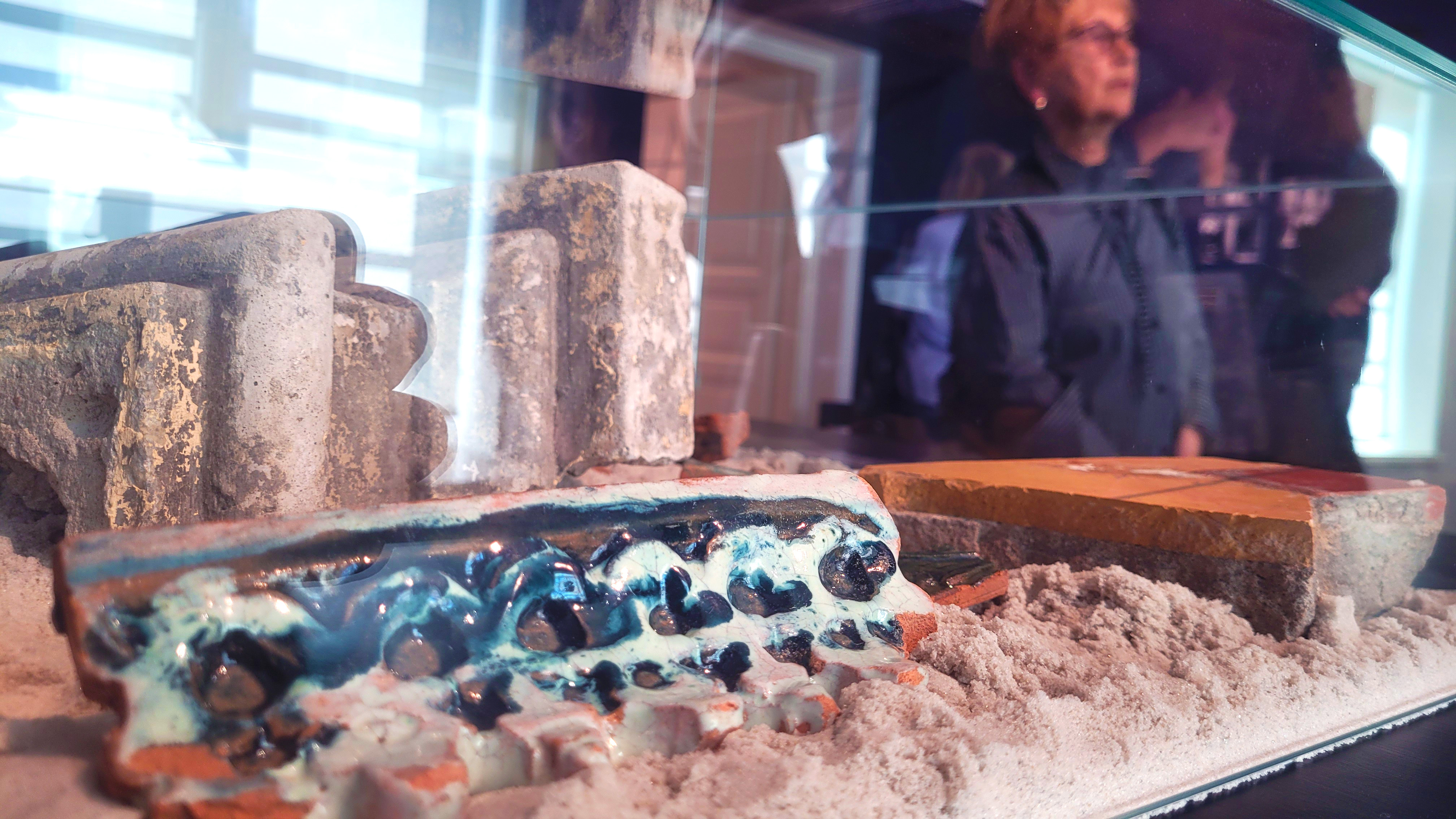
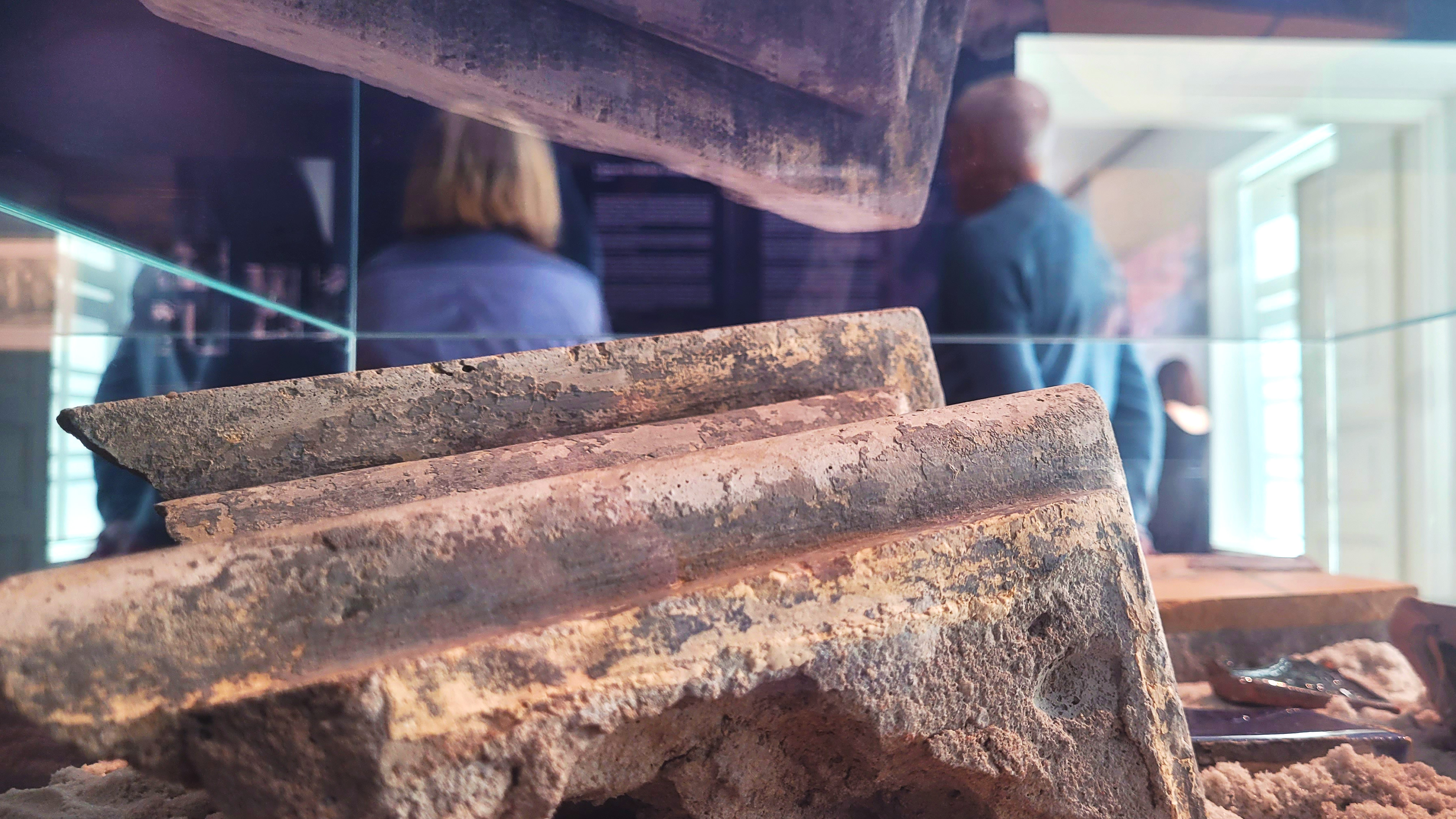
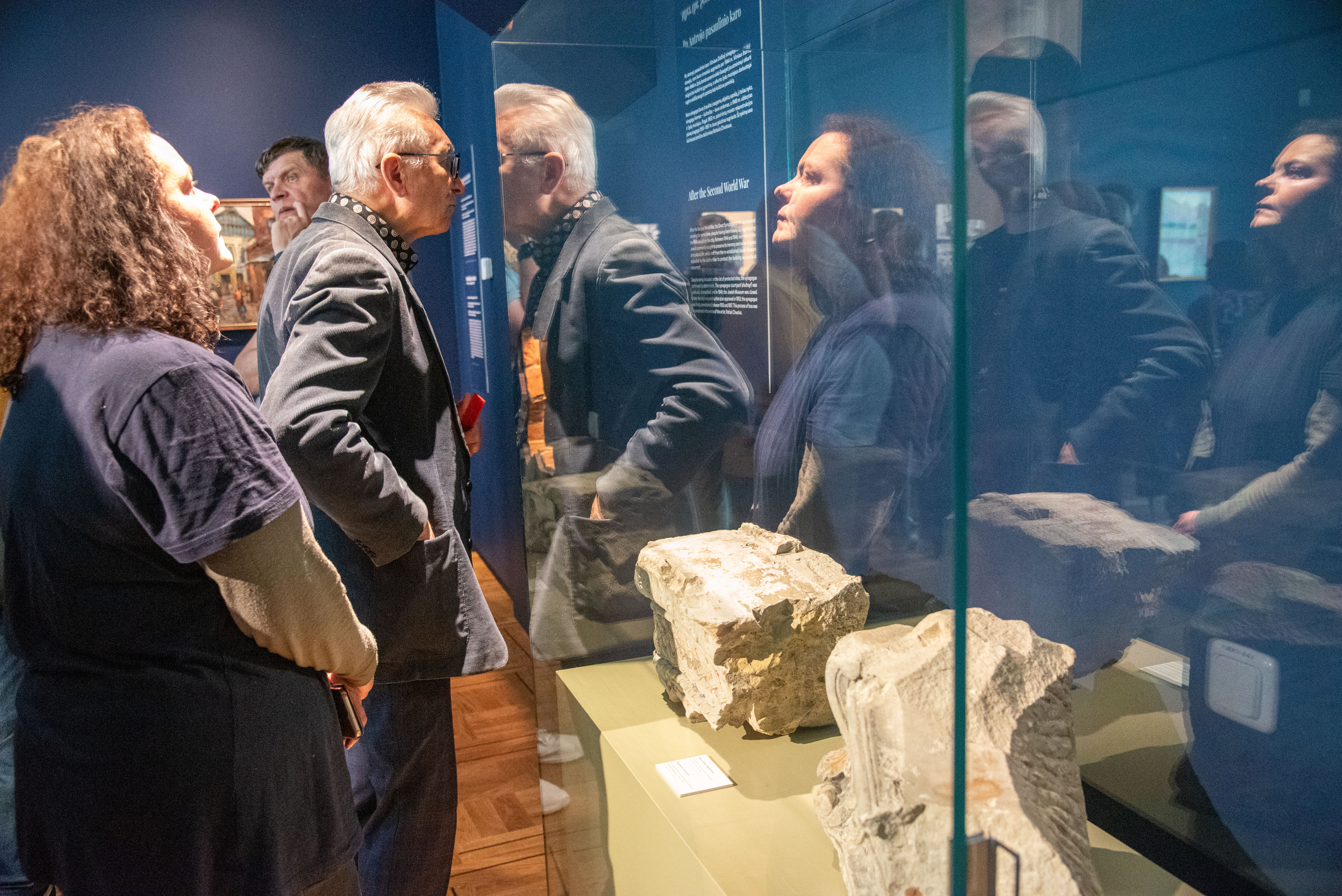
During international archaeological excavations carried out between 2011 and 2021, nearly 5,000 artifacts dating from the 16th to the 20th centuries were uncovered at the site of the Great Synagogue. One of the most significant discoveries was made in 2018, when fragments of the bimah — the synagogue’s central platform — were found. Archaeologists also uncovered remains of the ritual bath complex, floor sections, wall fragments, and decorative interior details.
The international research project was led by Dr. Jon Seligman of the Israel Antiquities Authority, together with archaeologists Justinas Račas, Zenonas Baubonis, and the late Prof. Richard Freund.
“These discoveries help us reconstruct not only the architectural form of the synagogue itself, but also the daily life, religious practices, and wider history of the Jewish community in Vilnius. The exhibition presents the most significant archaeological finds, accompanied by detailed descriptions prepared by Dr. Jon Seligman,” says one of the exhibition’s curators, historian Dr. Dovilė Čypaitė-Gilė.
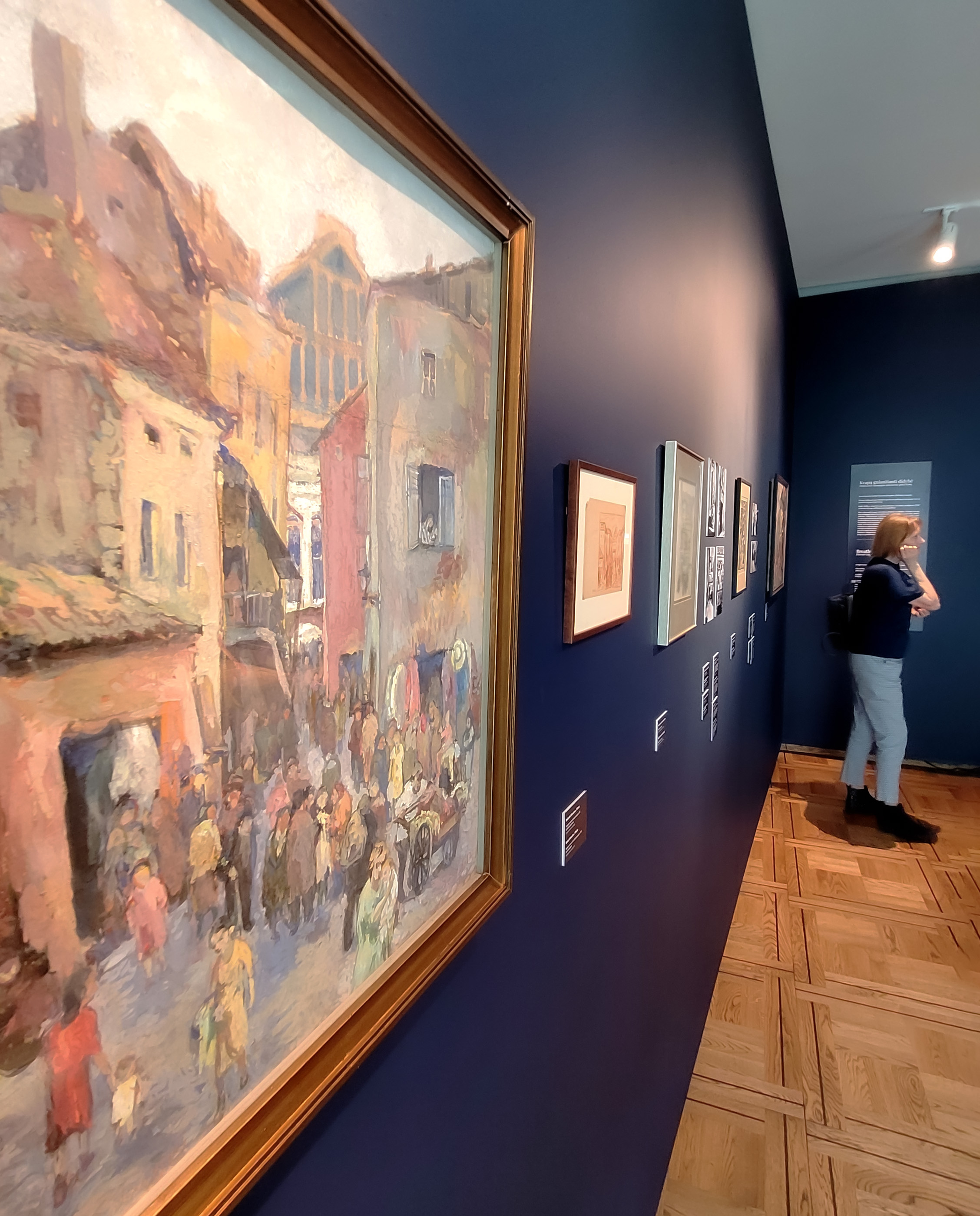
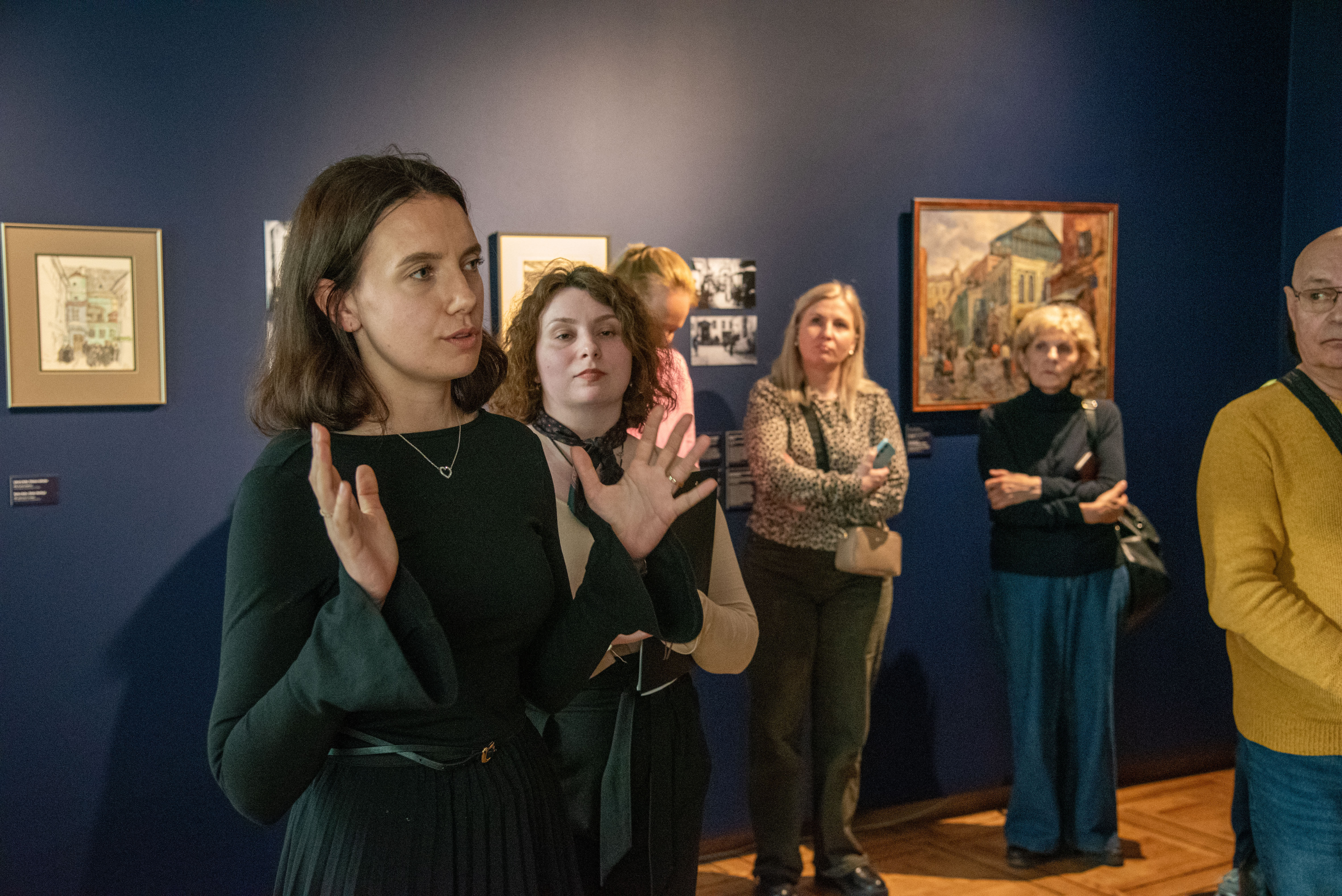
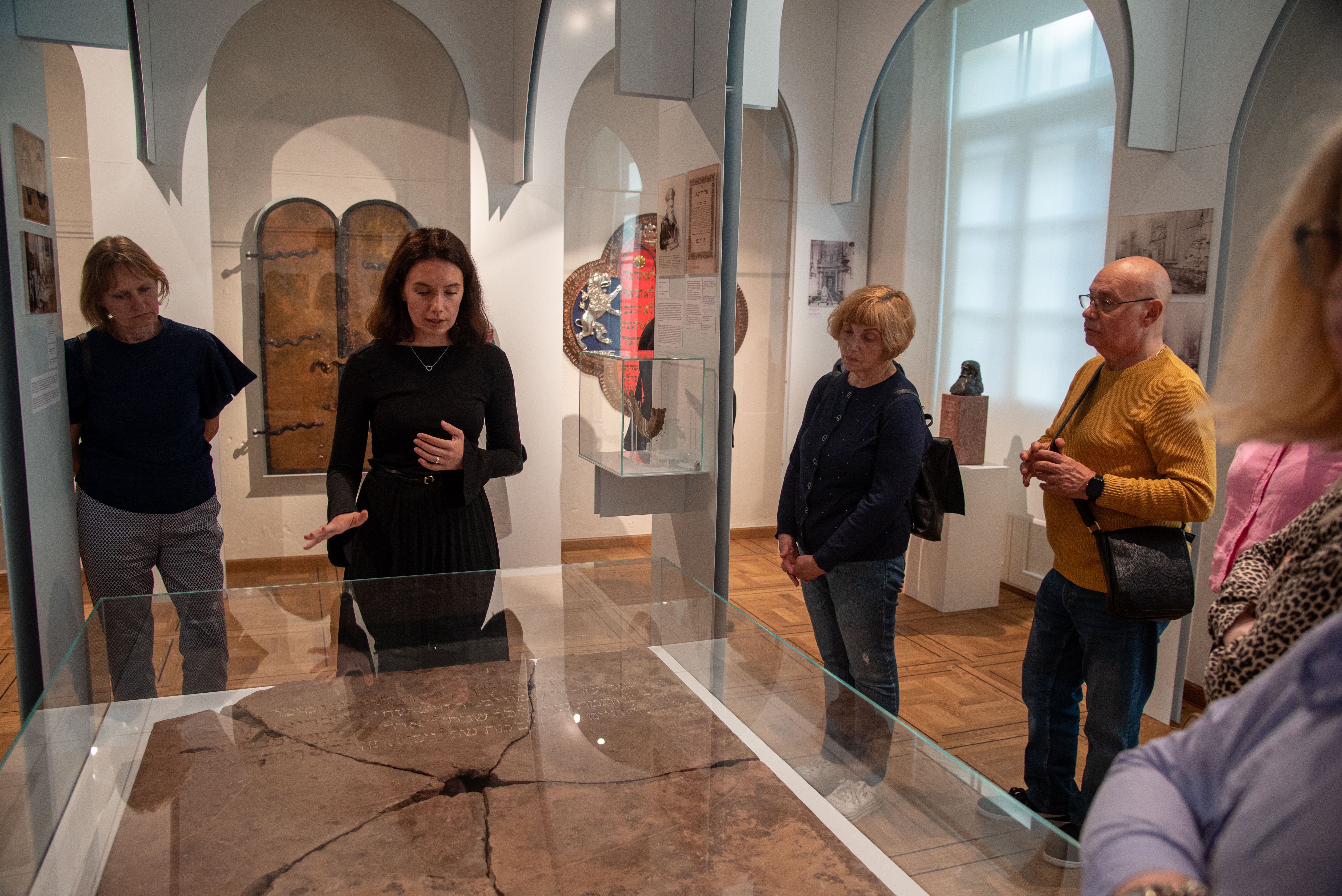
The exhibition brings together archaeological finds, architectural fragments, coins, plaques bearing Hebrew inscriptions, historical photographs, interior reconstructions and plans, alongside works by artist Rafael Chwoles depicting postwar Vilnius. Together, these objects allow visitors to reimagine the Great Synagogue and the Jewish Vilnius that once surrounded it.
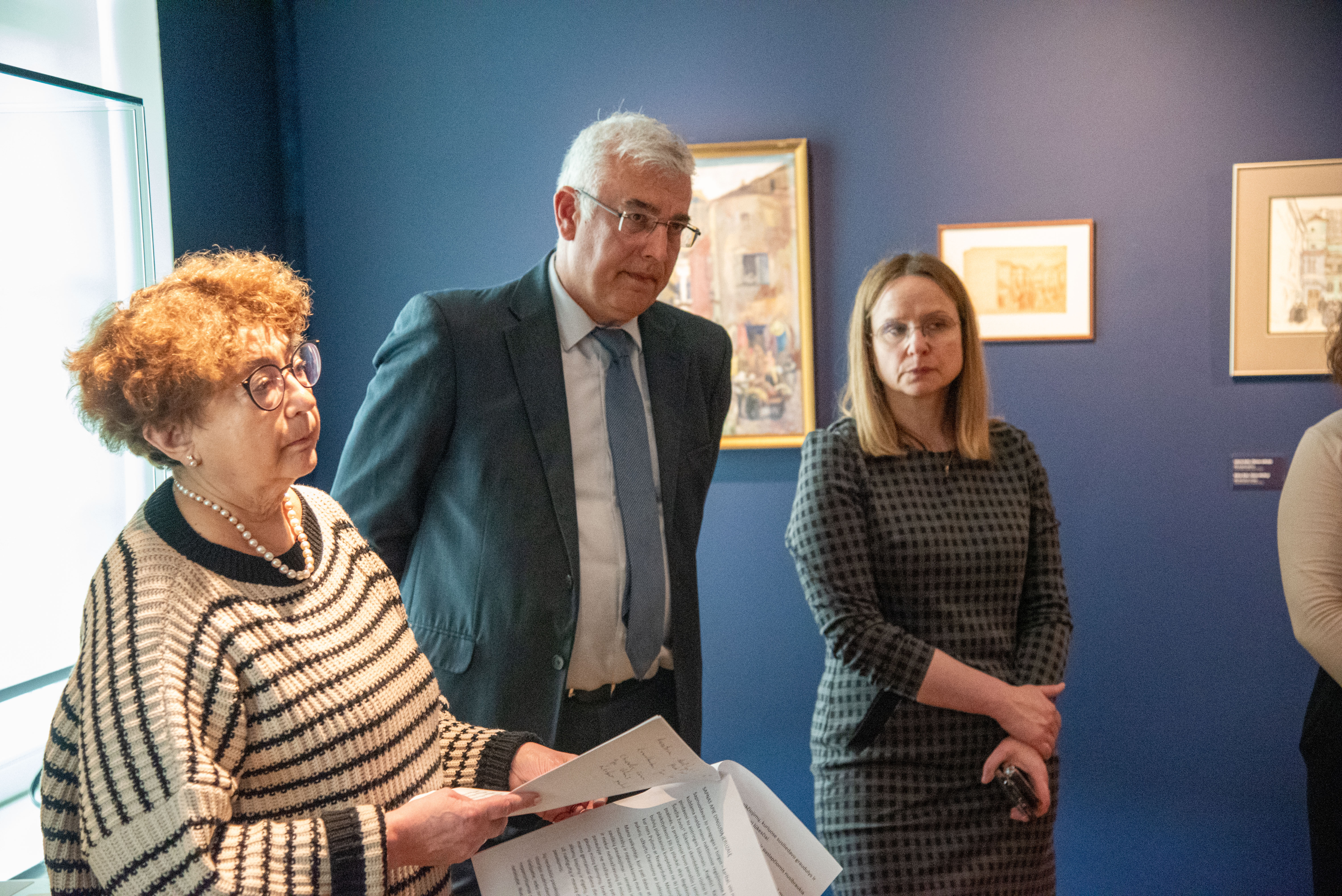
Speakers at the opening event also included Faina Kukliansky, Chair of the Lithuanian Jewish (Litvak) Community, and exhibition curators Marta Širokova and Dr. Dovilė Čypaitė-Gilė. The Chwoles family was represented by the artist’s son, museum patron Milij Chwoles.
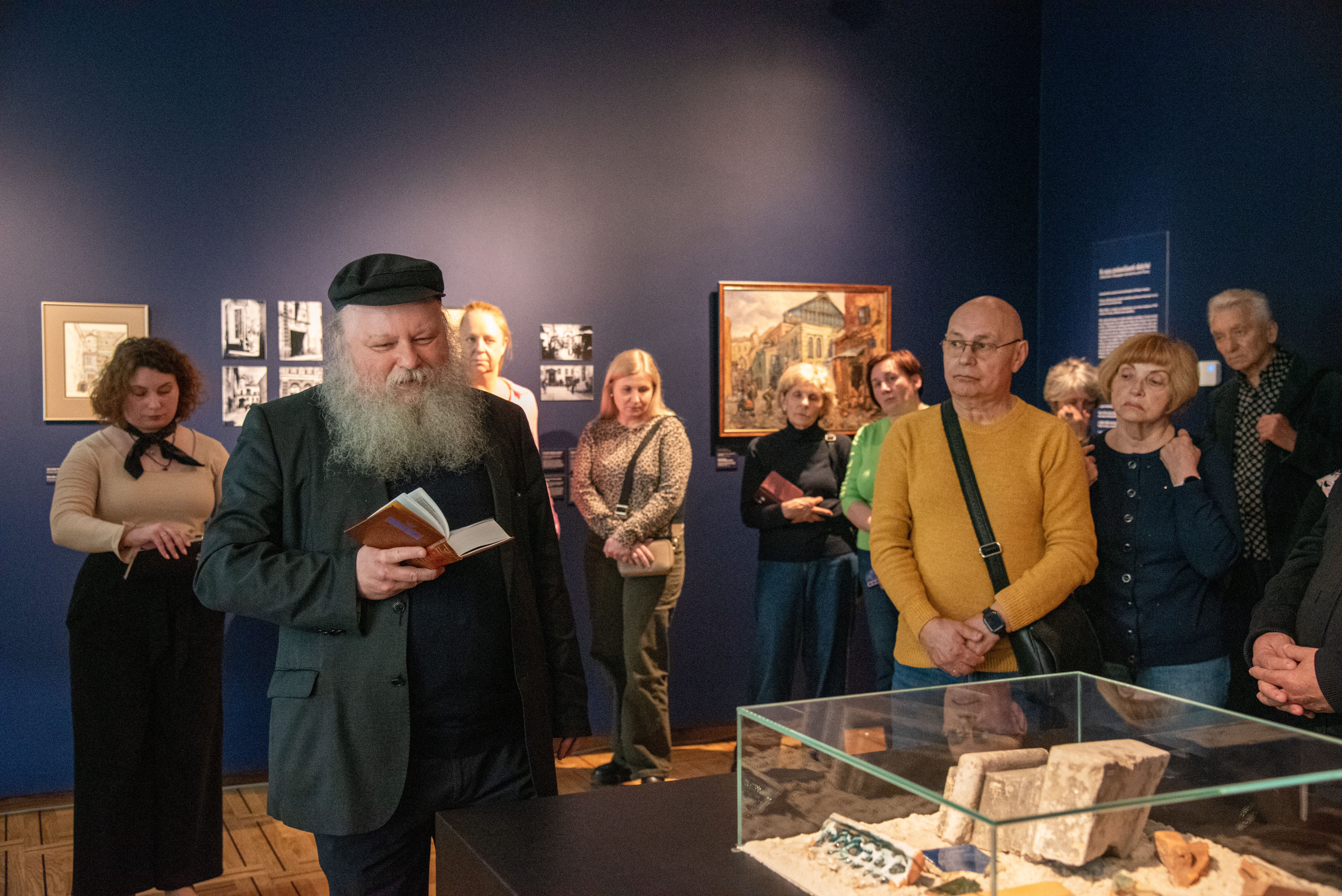
The event also featured performances of traditional liturgical chants by Shmuel Yatom, Lithuania’s only cantor, continuing the Litvak liturgical tradition featured in the museum’s permanent exhibition.
The exhibition is presented at the Museum of Jewish Culture and Identity in Lithuania (Pylimo St. 4A), located in the historic former Tarbut Jewish Gymnasium building in Vilnius. Through its permanent and temporary exhibitions, the museum explores the history, religion, languages, daily life, art, and music of Lithuanian Jews — the Litvaks.
Visitors to the permanent exhibition can also hear recordings by the renowned cantor David Kusevitsky and view artifacts connected to the Great Synagogue, complementing the new exhibition’s narrative about a destroyed yet enduring center of Jewish religious and cultural life.
The exhibition will run at the Museum of Jewish Culture and Identity in Lithuania until December 27, 2026.
Exhibition Partners
– Go Vilnius
– The Chwoles Family
– Embassy of the Republic of Lithuania in the French Republic
Location
Museum of Jewish Culture and Identity in Lithuania
Pylimo St. 4A, Vilnius
Highlights
“The discovery of the bimah columns was an especially important moment for us, because we uncovered one of the two holiest parts of the building. These columns once stood nine meters high and marked the very place where rabbis stood during prayer services,” said Dr. Jon Seligman, archaeologist with the Israel Antiquities Authority, consultant to the exhibition, and head of the archaeological research team at the site of the Great Synagogue.
Alongside archaeological finds, the exhibition presents architectural fragments, coins, plaques with Hebrew inscriptions, historical photographs, artworks, interior reconstructions, and architectural plans. Together, they help visitors reimagine the Great Synagogue and understand its significance within the Jewish heritage and collective memory of Vilnius.
According to curator Dr. Dovilė Čypaitė-Gilė, one of the exhibition’s most evocative objects is a seating plaque — or possibly a small plaque once attached to an unidentified object — that may have been donated to the Great Synagogue by a Vilnius resident named Malka Shirvint. In 1851, she married Eli Shirvint, the son of the wealthy merchant Leizer Shirvint. In the 19th century, the Shirvint family traded textiles in several shops near the Great Synagogue, while their home stood on what is now Didžioji Street.
“This object reminds us that every exhibit can reveal not only the unique story of the Great Synagogue itself, but also the broader world of Jewish Vilnius and the people who once lived here,” says the curator.